


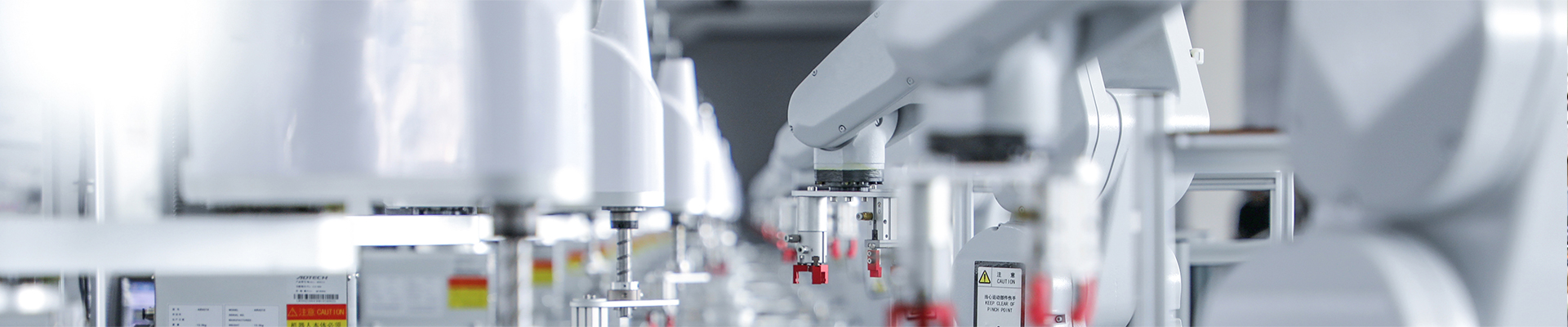
How to Properly Maintain Your Candle Machine Production Equipment
2026-03-11 16:27In the candle manufacturing industry, the candle machine is the core of production efficiency and product quality.
Whether you operate a small artisanal workshop or a large-scale industrial production line, proper maintenance of your candle machine
production equipment is essential to extend its service life, reduce downtime, and ensure consistent output of high-quality candles.
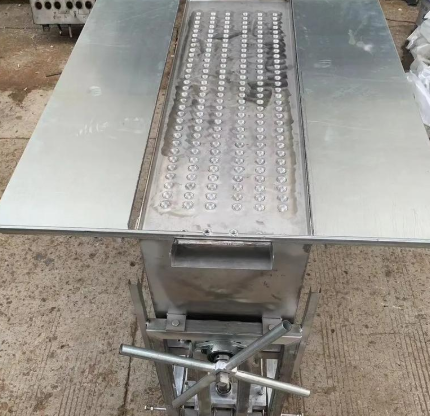
Neglecting routine maintenance can lead to frequent breakdowns, increased repair costs, and even compromised product standards.
This article will guide you through the key steps and best practices to maintain your candle machine effectively, helping you maximize its performance and profitability.
1. Daily Cleaning: The Foundation of Candle Machine Longevity
Daily cleaning is the most basic yet crucial step in maintaining any candle machine.
After each production shift, residual wax, fragrance oils, and debris can accumulate on the machine’s components, including
the melting tank, pouring nozzles, molds, and conveyor belts.
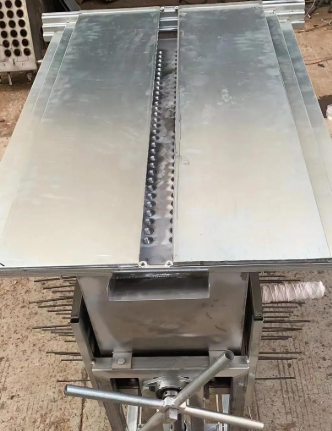
Over time, this buildup can cause clogs, uneven heating, and inaccurate pouring—all of which affect the candle machine’s efficiency and the quality of the final product.
To clean your candle machine properly: First, ensure the machine is turned off and completely cooled down to avoid burns and equipment damage. Use a soft, lint-free cloth to wipe down the exterior and accessible interior surfaces. For hardened wax residue, use a heat gun or warm water (as recommended by the manufacturer) to soften the wax before scraping it off gently with a plastic scraper—avoid metal scrapers, which can scratch the candle machine’s surfaces. Pay special attention to the pouring nozzles and mold cavities, as even small wax deposits can disrupt the candle-making process. Finally, clean the machine’s filters and ventilation systems to prevent dust and debris from blocking airflow, which can lead to overheating.
2. Regular Lubrication: Ensure Smooth Operation of Candle Machine Components
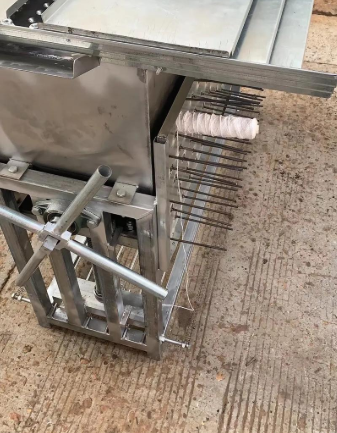
A candle machine consists of numerous moving parts, such as gears, bearings, chains, and conveyor systems.
These parts require regular lubrication to reduce friction, minimize wear and tear, and ensure smooth operation.
Without proper lubrication, metal-to-metal contact can cause excessive heat, noise, and premature component failure, leading to costly repairs and production delays.
Refer to your candle machine’s user manual to identify the specific lubrication points and the type of lubricant recommended
(e.g., food-grade lubricants for parts that come into contact with wax or fragrance). Lubricate these points at least once a week, or more frequently if
the candle machine is operating continuously. Be careful not to over-lubricate, as excess lubricant can mix with wax and contaminate the final product.
After lubrication, wipe off any excess to keep the machine clean and prevent buildup.
3. Routine Inspection: Catch Issues Early to Avoid Candle Machine Breakdowns
Routine inspections are key to proactive maintenance, allowing you to identify potential issues before they escalate into major breakdowns.
Set a schedule to inspect your candle machine thoroughly at least once a month, or more often for high-volume production lines. Focus on the following critical components:
- Heating System: Check the heating elements, thermostats, and temperature sensors of the candle machine to ensure they are working correctly.
Inconsistent heating can cause wax to melt unevenly, leading to candles with cracks, air bubbles, or uneven texture. Test the temperature settings regularly
to verify they match the manufacturer’s recommendations.
- Electrical Components: Inspect all wires, cables, and connections for signs of wear, fraying, or loose connections.
Faulty electrical components can pose safety hazards and cause the candle machine to malfunction. If you notice any damage,
turn off the machine immediately and have a qualified technician repair or replace the parts.
- Molds and Pouring Mechanisms: Check for cracks, dents, or wear in the molds, as these can affect the shape and quality of
the candles. Inspect the pouring nozzles for clogs or damage, and ensure the pouring mechanism is aligned correctly to avoid spillage and uneven filling.
- Conveyor Belts (if applicable): Check the tension and alignment of conveyor belts, and look for signs of wear or fraying.
Adjust the tension as needed, and replace worn belts promptly to prevent them from breaking during operation.